
Understanding the Gambler’s Mindset
The world of gambling is deeply intertwined with human psychology. Understanding the motivations, biases, and emotional states that drive players is crucial for anyone looking to navigate this environment. Many individuals are drawn to casinos not just for the potential financial rewards, but also for the thrill, excitement, and social interaction they offer. This pursuit of stimulation can lead to impulsive decisions and a disregard for rational risk assessment, and some players may find themselves drawn to sites like Mafia Casino for their gaming options.
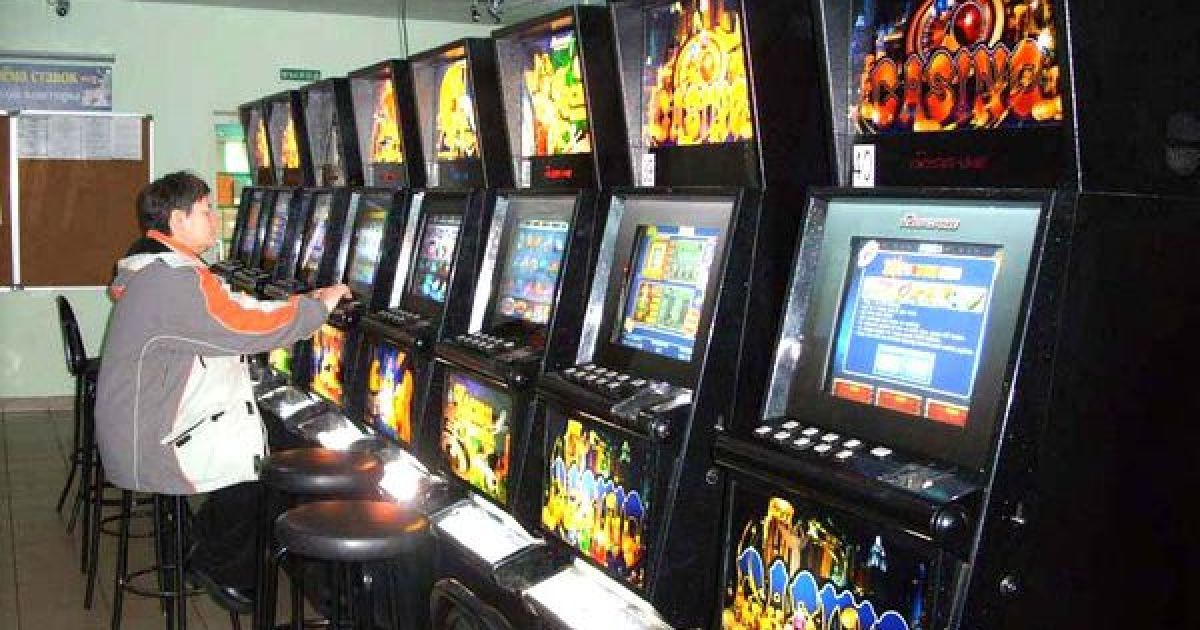
Common psychological traps include the gambler’s fallacy, where players believe past outcomes influence future independent events, such as thinking a roulette wheel is „due” for a specific number after a streak. Another significant factor is the illusion of control, where players develop rituals or strategies they believe will influence outcomes, despite the inherent randomness of most casino games. Recognizing these cognitive biases is the first step towards making more informed choices.
The Role of Environment and Atmosphere
Casinos are meticulously designed environments engineered to influence player behavior. The absence of clocks, the use of dim lighting, and the constant presence of ambient sounds all contribute to a disorienting effect, making time seem to pass more quickly and reducing awareness of external responsibilities. This atmosphere encourages prolonged engagement and can lull players into a state of heightened excitement, making them more susceptible to irrational betting patterns.
The layout of casino floors, with their open spaces and prominent placement of popular games, is also a psychological tool. It aims to create a sense of energy and continuous activity, drawing players deeper into the gaming experience. The proximity of high-stakes areas to more casual gaming floors can also trigger aspirational desires, encouraging players to aim higher than their initial intentions. The very architecture is a testament to understanding how environmental cues impact decision-making in gambling.
Managing Emotional Responses in Gambling
Emotional regulation is paramount when engaging in any form of gambling. Excitement, frustration, and even boredom can cloud judgment and lead to detrimental decisions. A winning streak can foster overconfidence, leading to larger bets and increased risk-taking, while a series of losses can induce desperation, pushing players to chase their money with increasingly reckless wagers. Developing emotional resilience and the ability to step away when emotions run high is a key component of responsible gambling.
Recognizing personal emotional triggers is essential. For instance, some individuals might gamble to escape stress or negative feelings, using it as a coping mechanism. This often leads to a vicious cycle where the gambling itself creates more problems, exacerbating the original issues. Establishing clear emotional boundaries and understanding when to cease play, regardless of the current game’s outcome, is a critical skill for maintaining well-being and financial stability.
The Psychology of Betting Strategies
Many betting strategies, while seemingly logical, are built on psychological foundations rather than mathematical certainty. Systems like the Martingale, which doubles bets after each loss, prey on the gambler’s fallacy and the hope that a single win will recoup all previous losses. While these strategies can sometimes result in short-term wins, their long-term viability is often undermined by the inherent house edge and the potential for rapid depletion of a player’s bankroll.
Understanding the psychological allure of „systems” and „predictive” methods is important. Players often seek structure and a sense of control in the chaotic nature of gambling. The belief that a specific strategy can guarantee success provides a comforting illusion. However, the true psychology of betting often lies in managing risk, setting limits, and accepting the role of chance, rather than relying on flawed systems that are designed to appeal to our innate desire for predictable outcomes.

Navigating Online Casinos and Player Experience
Online gambling platforms, while offering convenience, also leverage psychological principles to engage players. The instant gratification of digital interfaces, the constant stream of promotions, and the personalized game recommendations are all designed to keep users playing. The ease of access from home can blur the lines between casual entertainment and problematic behavior, making it harder to disconnect from the activity.
The virtual nature of online casinos can also diminish the perceived consequences of gambling. Without the tangible exchange of money or the social pressures of a physical casino floor, it can be easier for players to overspend. Websites that aim to provide a positive gambling experience would ideally incorporate features that promote responsible gaming, such as self-exclusion tools and spending limits, acknowledging the psychological vulnerabilities of their users while still offering entertainment. Understanding how these platforms are designed to influence player behavior is crucial for a safe and enjoyable experience.
Najnowsze komentarze